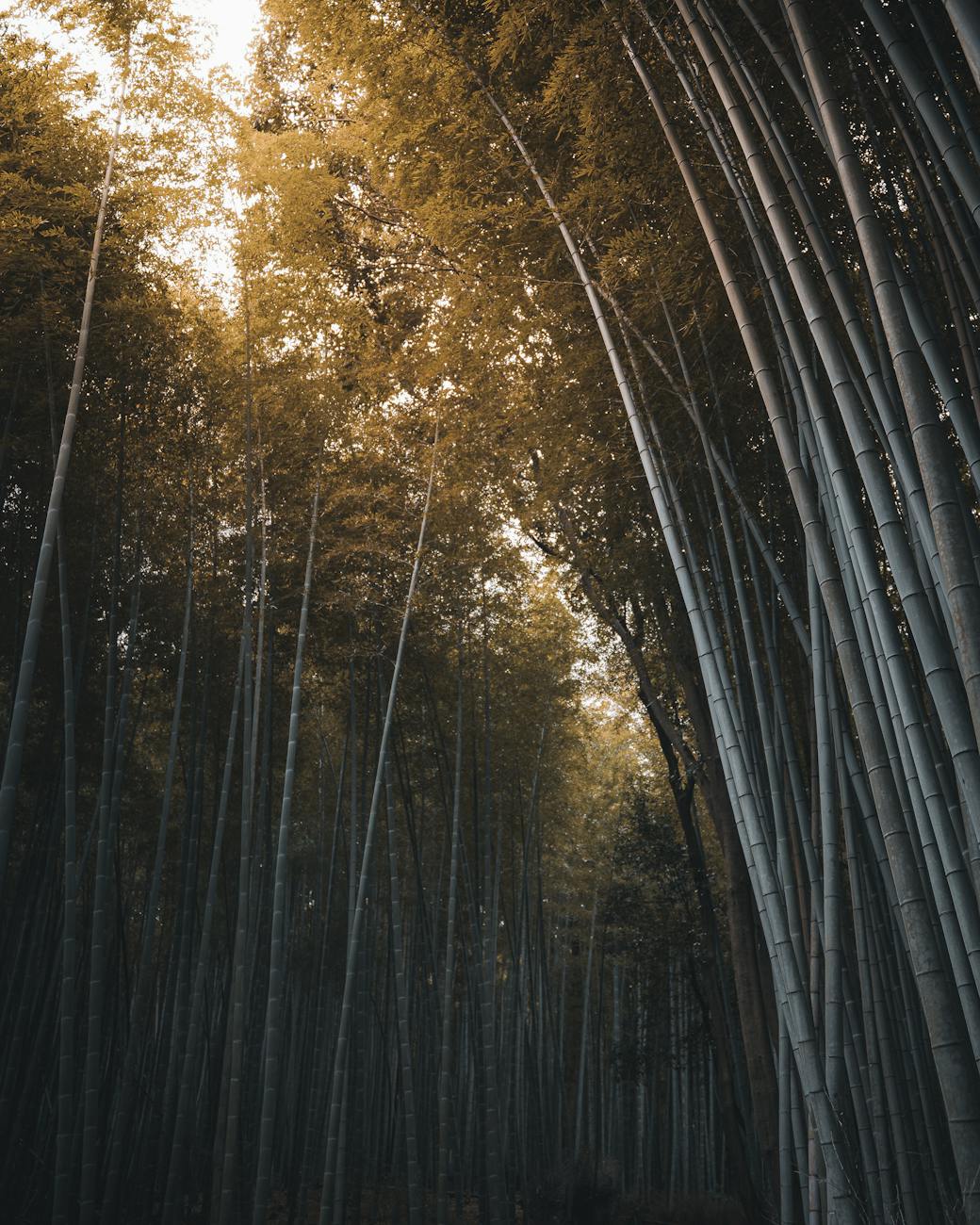
Planning your first trip to Japan is an absolute thrill, but navigating the logistics of a new culture, a new language, and a massive public transit network can be daunting. Whether you are spending two weeks bouncing between Tokyo, Kyoto, and Osaka, or simply looking to balance stays in prime hotels with authentic, local dining experiences, preparation is key. Here are the essential, tried-and-true tips every first-timer needs to travel Japan like a pro.
1] Timing is Everything
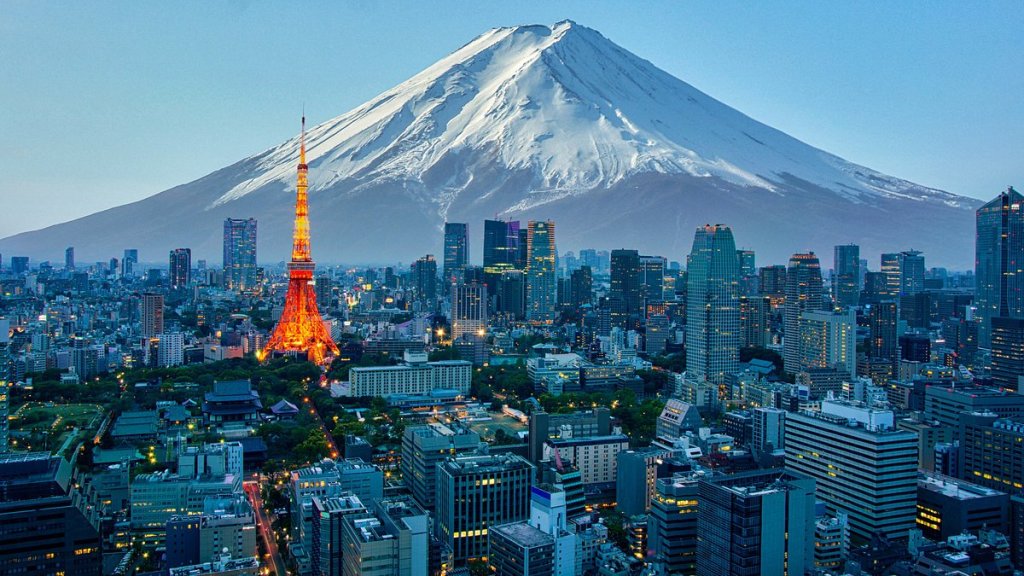
Nailing down the right time to visit can completely make or break your itinerary. Because Japan is a long island chain stretching from north to south, the climate shifts dramatically depending on where you land. For example, while exploring the classic route of Tokyo, Kyoto, and Osaka in mid-April offers beautiful, mild spring weather, heading north to Sapporo at that exact same time means you are still navigating snow and freezing temperatures. As a general rule of thumb, the southern islands boast a subtropical warmth, and the climate gets progressively colder the further north you travel.
Because of this geographic diversity, Japan doesn’t have a single, nationwide peak season—it varies entirely by region. Tokyo, for instance, sees its massive influxes of visitors during the spring cherry blossoms (April to early May) and the vivid fall foliage (October to November). Meanwhile, Hokkaido draws its biggest crowds during its mild summer months (June to August) and its legendary winter snow festivals (late December). When you add in major domestic holidays where locals are also traveling en masse, the infrastructure gets incredibly strained. Unless a specific marquee festival is at the absolute top of your bucket list, first-time visitors should strategically avoid these peak windows to escape the overwhelming crowds and highly inflated prices.
💡Pro-Tip: Avoid the “Golden Week” If there is one timeframe you must circle in red on your calendar, it is Golden Week. Occurring annually from the end of April through the first week of May, this is a cluster of four national holidays and the single busiest domestic travel week in Japan. Shinkansen (bullet trains) book out entirely, hotel prices skyrocket, and major attractions are shoulder-to-shoulder with locals. The ultimate insider strategy? Book your trip for mid-to-late May. You will slip in right after the Golden Week chaos subsides, catching beautiful, mild spring weather across Tokyo, Kyoto, and Osaka with a fraction of the crowds.
2] Ready, Set, Walk
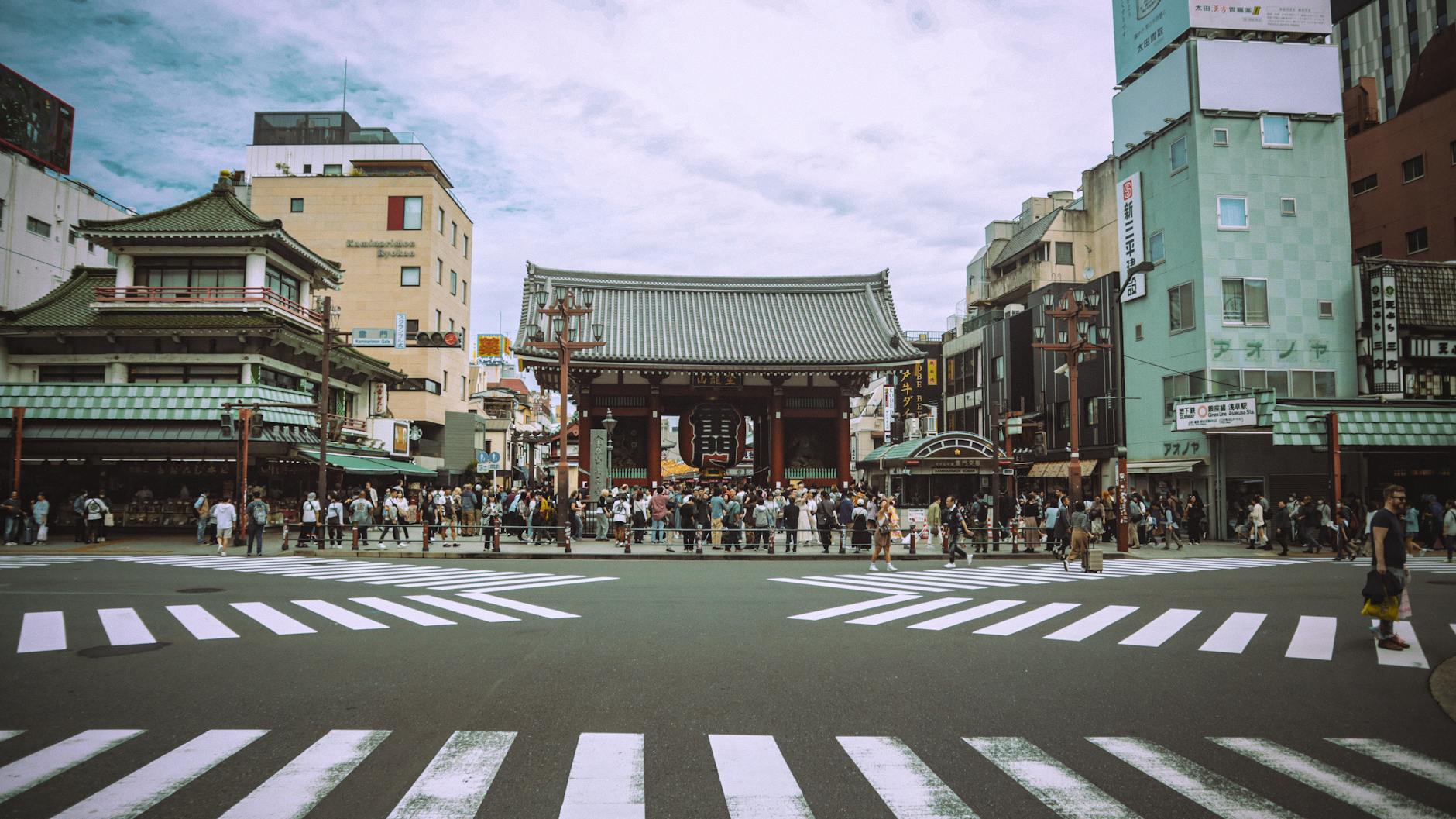
Japan’s cities are a dream for pedestrians, but that high walkability comes with a physical reality: when paired with the incredibly efficient public transit system, you will easily clock 25,000 steps or more in a single day. Beyond the flat city grids, many of the country’s most stunning shrines and temples are perched on hillsides. While the famous sites feature beautifully paved paths, venturing off the beaten path often means navigating steep, uneven terrain. Furthermore, while massive urban transit hubs are fully modernized, smaller or rural train stations frequently lack elevators or escalators, meaning you will regularly be climbing a few flights of stairs. Packing a high-quality, ultra-comfortable pair of walking shoes isn’t just a suggestion—it is the single most important thing in your suitcase.
3] The Luggage Lifesaver
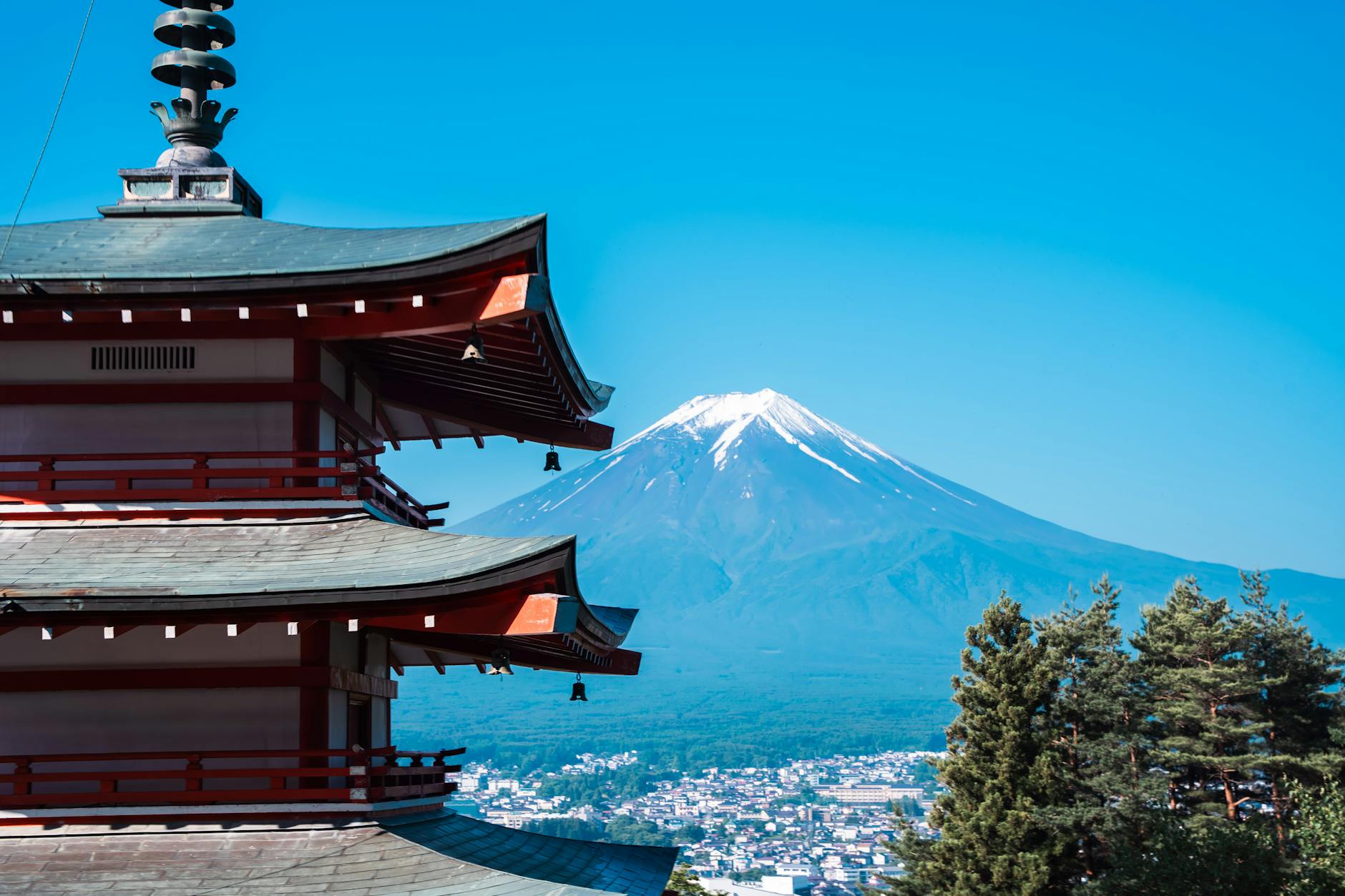
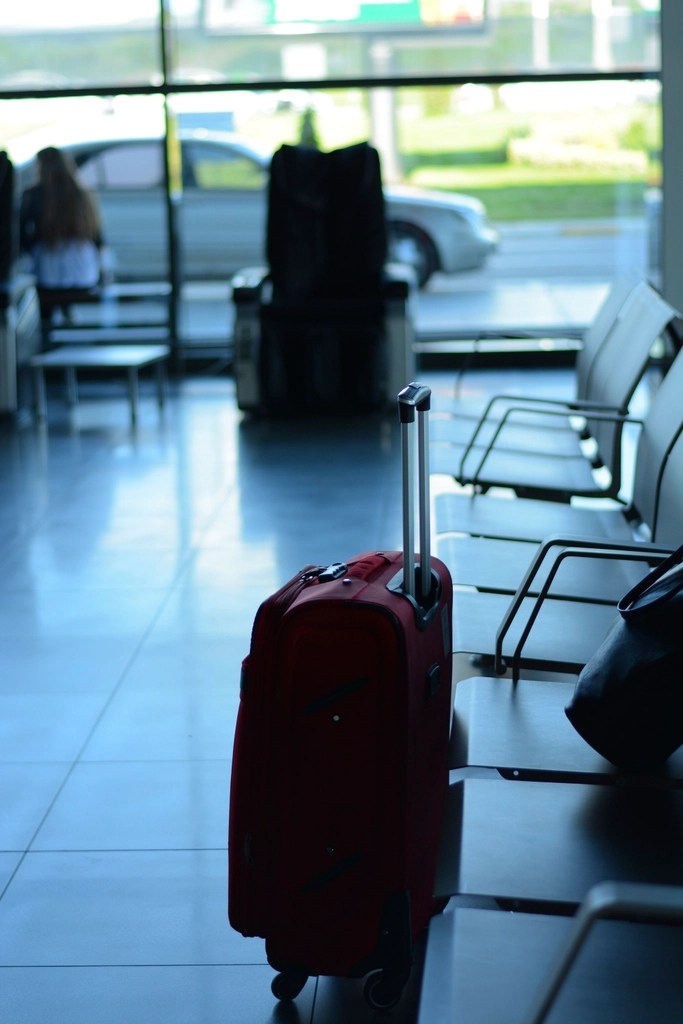
Those inevitable flights of stairs at local stations bring us to the next golden rule of Japanese travel: rethink your luggage. Trying to muscle massive suitcases through crowded train cars and up uneven platform steps is a first-timer’s biggest mistake. To keep your transit days smooth, you need to pack as lightly as possible. If you are planning a longer itinerary and need larger bags, do what the locals do and utilize the Takuhaibin luggage forwarding system. It safely transports your heavy suitcases from city to city, leaving you completely unburdened on your travel days.
💡Pro Tip: Takihaibin service usually takes a day or two to deliver your bags to the next destination. It’s thus a good idea to pack your essentials and one set of clothes in your day bag while traveling between cities.
4] The Currency Breakdown
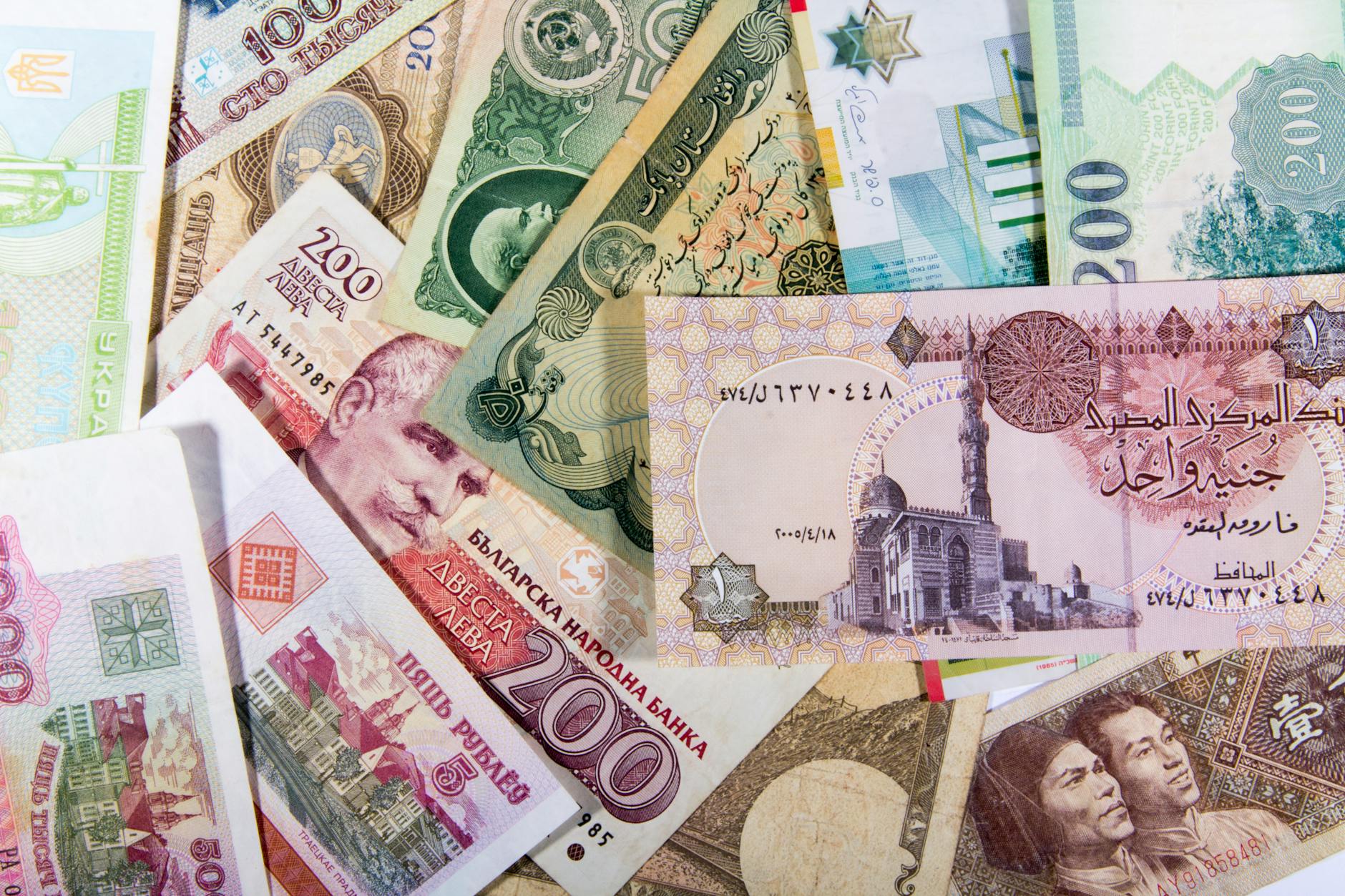
While Japan is rapidly modernizing its payment systems, it remains deeply rooted in a cash-based culture—especially if you want to experience the country authentically. Major hotels and large department stores will gladly accept your international credit cards (just ensure you pack one with zero foreign transaction fees!). However, for everything else—dining at incredible, unpretentious local neighborhood restaurants, making temple offerings, or loading your transit IC card—you will absolutely need physical Japanese Yen. Because the Pasmo and Suica transit card counters at Narita International Airport strictly accept cash, it is highly recommended to arrive with a small stash of Yen already in hand to ensure a smooth exit from the airport. Once you are settled in the country, the absolute best way to restock your wallet is by withdrawing cash directly from the ATMs inside 7-Eleven stores. They consistently offer the best exchange rates for your USD and are incredibly easy to find, even in rural areas.
5] The Transit Survival Guide
Navigating Japan’s massive transit hubs requires a bit of strategy. To save yourself time, money, and a lot of unnecessary walking, keep these station quirks in mind:
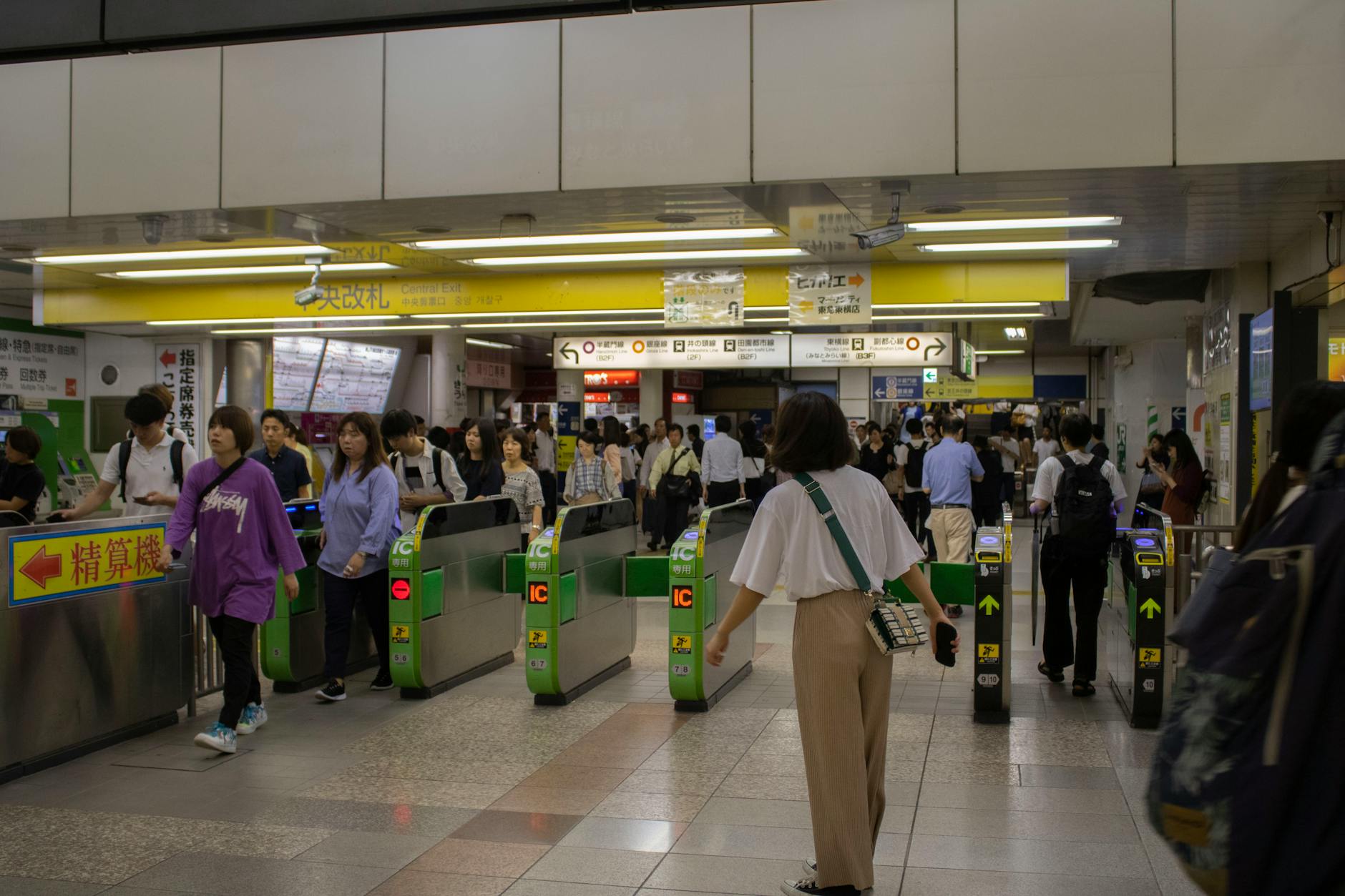
The Entrance Trap: Major hubs like Tokyo Station are enormous. Using the wrong entrance can extend your walk to the platform from 5 minutes to a grueling 20 minutes—a nightmare when hauling luggage to the Shinkansen platforms, which are often located at the very back of the station.
The Subway Gates: At major junctions, intersecting subway lines often have their own dedicated fare gates without free transfers between them. Swipe into the wrong one, and you will have to pay a fare just to exit and re-enter the correct line.
The Google Maps Hack: Google Maps is your ultimate navigator here. It provides the exact entrance and exit numbers (like ‘Exit A4’) you need to follow the overhead signs, and even tells you which specific train car is closest to your destination’s stairs.
 Asian Odyssey
Leave a comment