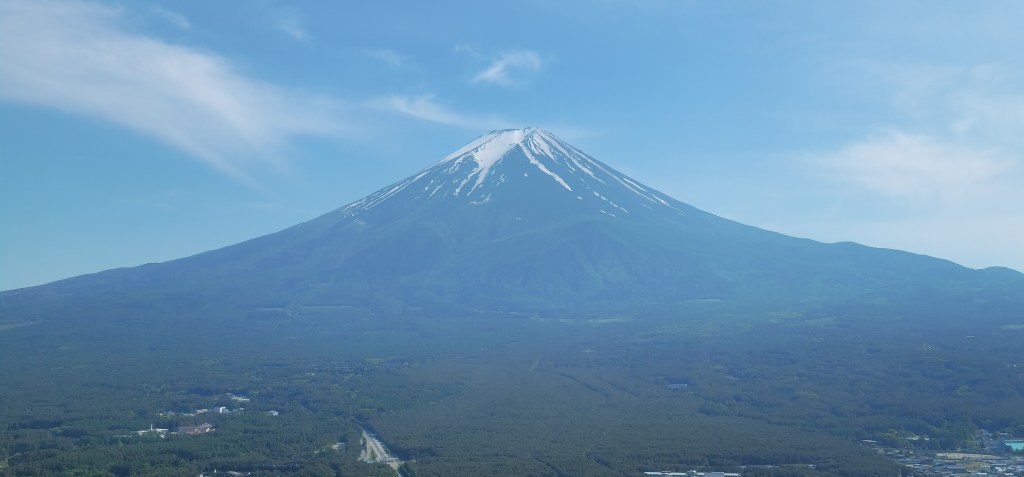
Revered affectionately as ‘Fuji-san,’ Mount Fuji is far more than just a geological wonder; it is a cultural icon that has captured the imaginations of artists and travelers for centuries. Whether you are taking in the reflection from the tranquil shores of Lake Kawaguchiko or simply marveling at its perfect symmetry from afar, the mountain offers a completely different kind of magic depending on when you arrive. It is a true year-round destination: spring frames the snow-capped peak in delicate cherry blossoms, summer briefly opens the trails for summit hikers, and autumn sets the surrounding forests ablaze with vibrant foliage.
Getting to Mount Fuji from the neon energy of Tokyo is an adventure in itself, and your transit strategy really just depends on what kind of experience you are chasing. If your goal is to conquer the summit during the brief hiking window from late July through September, the Fuji Excursion Limited Express train is your best friend. It runs directly from Shinjuku Station to Fujisan Station in about two hours for roughly $25 (¥4,000). But if you prefer to skip the grueling physical climb in favor of simply soaking in those postcard-perfect views from the water’s edge, the rail network makes it incredibly easy to route your journey toward the stunning Fuji Five Lakes region instead.
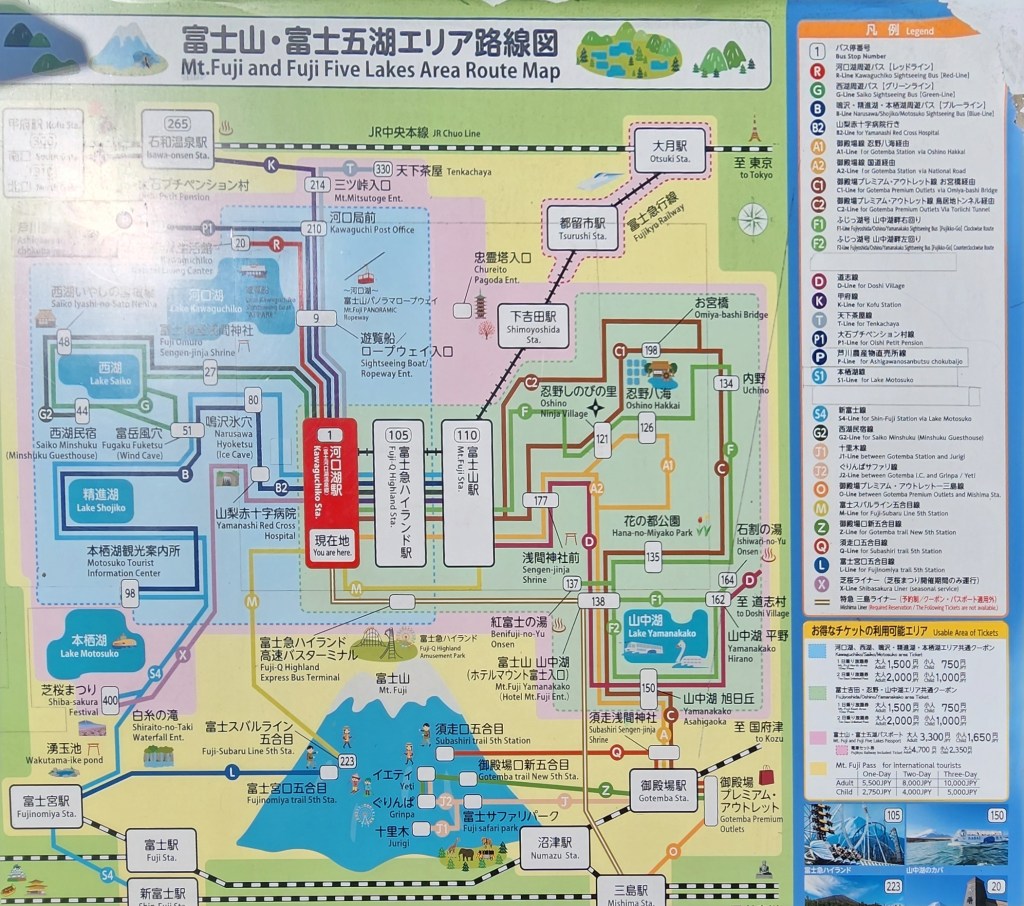
Lake Kawaguchi is the most popular among the five lakes. You can either take a bus or train from Tokyo to reach the Kawaguchi-ko town. A bus from Shinjuku Station to Kawaguchi Station takes about three hours one way, including traffic, and costs around ¥4,400 (US$ 27.5) for a round trip. There are buses from Tokyo and Shibuya stations as well. The buses are comfortable and equipped with restrooms. Alternatively, you can take the Fuji Excursion Limited Express from Shinjuku Station to Kawaguchi Station. There are other JR lines available from Tokyo, Shinjuku, or Otsuki station, which can take you to the Kawaguchi station. The cost and duration will vary by line.
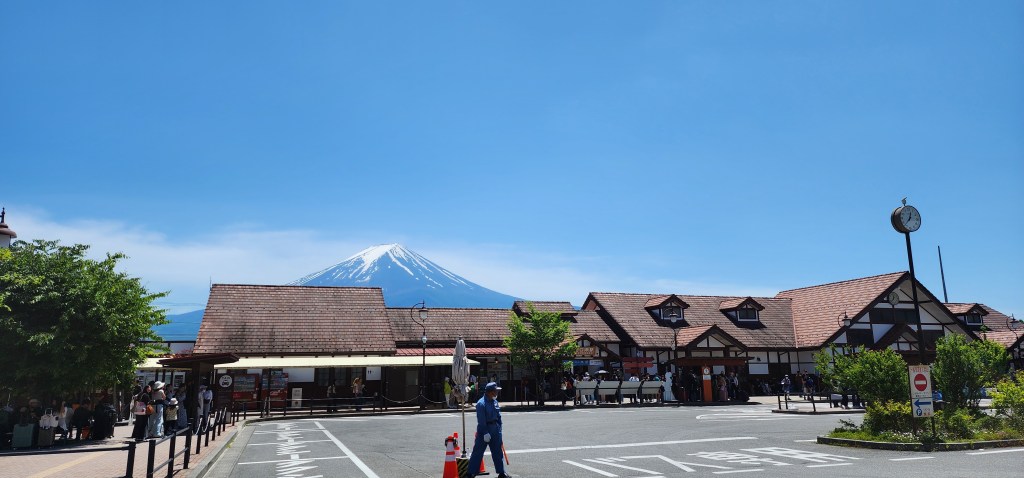
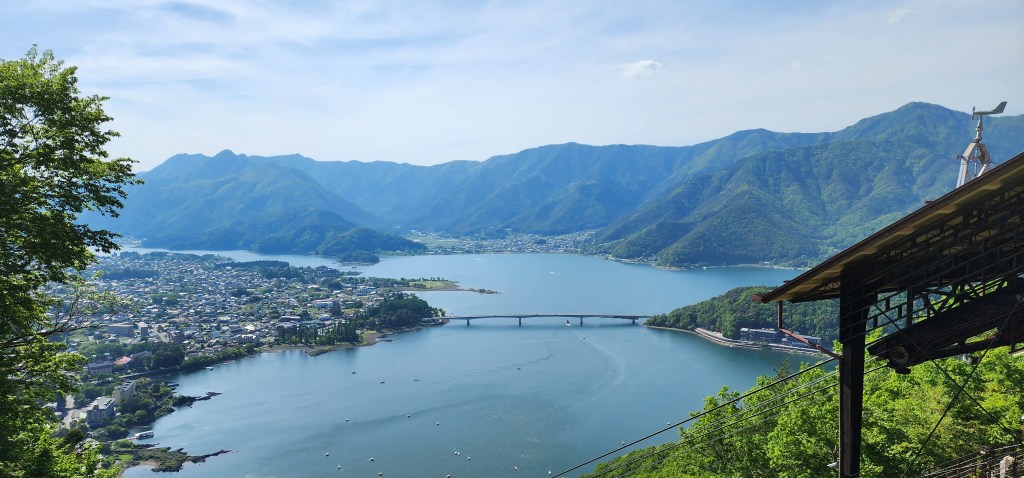
The Kawaguchi-ko town is a tourist destination in itself. Exploring the town has been made easy with three hop-on-hop-off sightseeing bus lines, where your Pasmo or Suica card is accepted. Once you arrive, stepping onto a boat to glide across the glassy surface of Lake Kawaguchi is one of the most serene ways to take in the sheer scale of the mountain. Back on land, the area is a treasure trove for photographers hunting for that perfect shot of Fuji-san. You will definitely want to stroll over to the famous Lawson convenience store—just a quick walk from Kawaguchiko Station—which has become an iconic, wonderfully quirky foreground for the timeless peak looming directly behind it.
If you are crunching on time, I would highly recommend taking the Mt. Tenjo Ropeway to the top, where you can experience breathtaking views of Mt. Fuji. To reach Ropeway, hop on the ‘red bus’ and get off at stop number 9. The summit of Mt. Tenjo also boasts stunning panoramas of Lake Kawaguchi and the town below. A one-way ropeway ticket costs ¥600 (US$ 3.76) for adults and ¥300 (US$ 1.88) for children, while a round-trip is ¥1,000 (US$ 6.27) for adults and ¥500 (US$ 3.13) for children. For those who prefer a more adventurous experience, there is also a hiking trail up to the mountain.
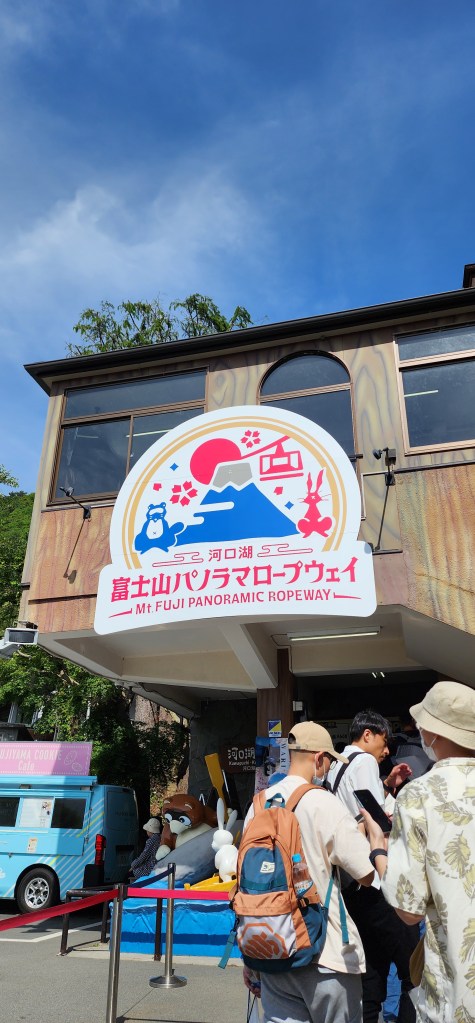
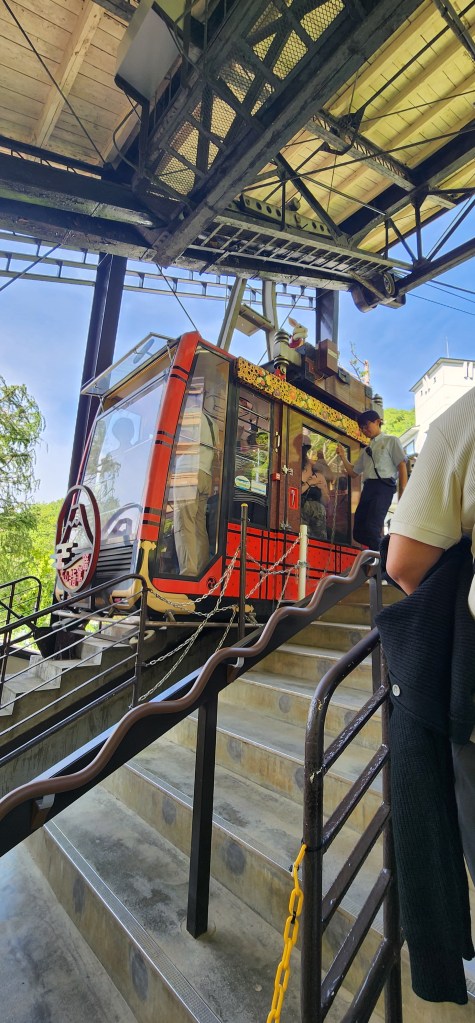
There are various ways you can plan your Mt. Fuji trip. If you have a day or two to spare, you can have a weekend getaway in Kawaguchi-ko town. For hiking to the Mit, it’s recommended to have at least 2 days’ stay. If you have a tight schedule, you can visit Mt. Fuji on your way to Kyoto or Osaka. There are direct Bus services to both of these cities from Kawaguchi-ko town.
A day trip to Mt. Fuji is a powerful reminder of the beauty of slowing down. While the allure of conquering the summit is strong for some, there is an unmatched peace in simply letting Japan’s incredible public transit whisk you away to the lakes to watch the clouds shift over Fuji-san’s peak. Whether you capture that perfect shot over the glowing sign of a Lawson or from the quiet deck of a boat, the mountain has a way of leaving a lasting impression long after you board the train back to Tokyo.
 Asian Odyssey
Leave a comment