
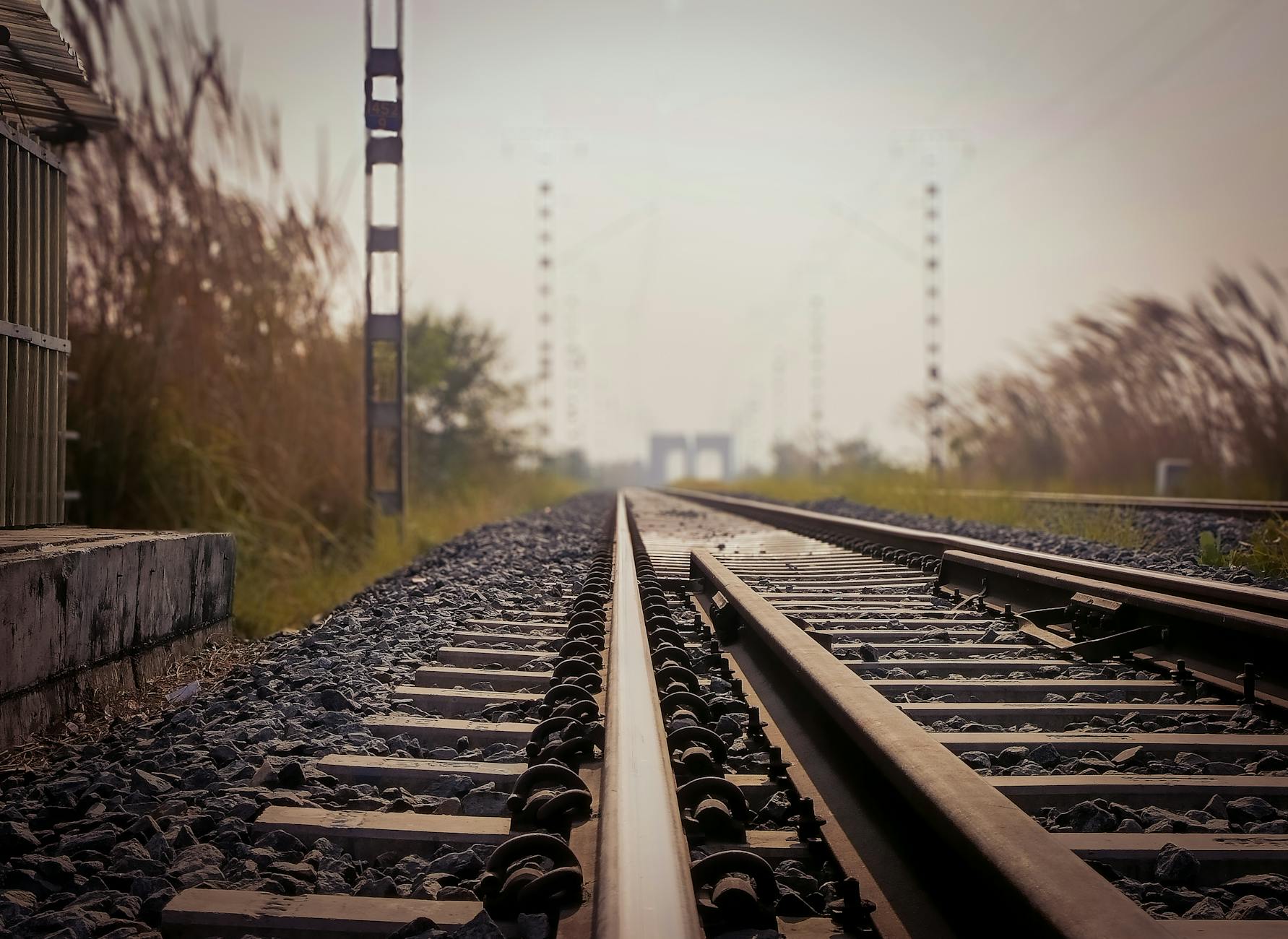
Iron behemoths first stirred upon India’s ancient lands during the British Raj. Brought across the seas by British hands to weave threads of commerce across the vast subcontinent, these engines, conceived for trade, unexpectedly became the very pulse carrying the lifeblood of the Indian populace.
Navigating a country as vast and populous as India requires an unparalleled logistical engine. With private vehicles out of reach for a significant portion of the population and buses lacking the massive capacity needed, the nation relies heavily on its robust train infrastructure. The result is the Indian Railways: the fourth-largest rail network on the planet. It is not just the backbone of daily mobility for a massive majority of citizens; with over a million workers, it is also one of the world’s largest employers, moving the country forward one massive locomotive at a time.
That massive workforce is absolutely essential when you consider the sheer volume of traffic the network handles every single day. To put the scale of the Indian Railways into perspective, the active inventory—which includes everything from modern electric and diesel engines to heritage steam locomotives—currently operates over 13,000 passenger trains and 11,000 freight trains. The result? A staggering 7 billion people and 1,600 million tons of cargo were transported across the country within the last year.
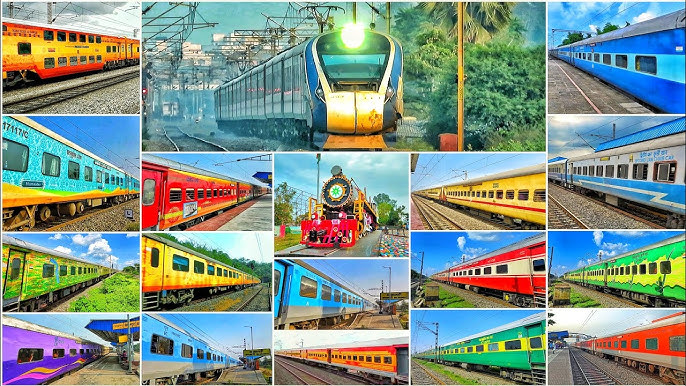
When covering long distances across India, passenger trains are your most popular and cost-effective option. Depending on your itinerary and budget, you will find multiple sub-categories of trains designed for different speeds and purposes. Ticket prices vary widely based on both the type of train and your chosen travel class (more on that later). To help you navigate the booking portals, here are the primary train categories you need to know:
Vande Bharat Express: The modern marvel of the network. As India’s first semi-high-speed train, it boasts cutting-edge amenities, premium comfort, and significantly faster travel times between major cities.
Rajdhani Express: The elite, limited-stop service designed specifically to connect the nation’s capital, New Delhi, with various state capitals across the country.
Tejas Express: A fantastic choice if you are looking for a premium, highly comfortable travel experience featuring modern trains and upgraded amenities.
Shatabdi Express: The ultimate daytime connector for major regional hubs. These are fully air-conditioned, fast-paced trains, but keep in mind they offer coach seating only (no sleeper berths).
Duronto Express: The budget-friendly, super-fast option. With very few stops, these trains efficiently link major cities and state capitals, offering both air-conditioned and non-AC compartments.
Humsafar Express: A highly comfortable, fully air-conditioned long-haul train exclusively featuring 3-tier sleeper berths.
Garib Rath Express: An incredibly popular option offering high-speed, fully air-conditioned 3-tier sleeper travel at heavily subsidized, affordable rates.
Vivek Express: A special series of four epic long-distance trains launched to commemorate the 150th birth anniversary of Swami Vivekananda, traversing the absolute length and breadth of the subcontinent.
(Note: While these are the primary options for travelers, the vast Indian Railways network is also supported by hundreds of Sampark Kranti Express, Superfast Express, and Mail Express trains connecting smaller towns and regions.)
Now that you understand the different train networks, it is time to decode the cabin classes. Most long-distance passenger trains are divided into specific tiers of comfort and pricing. Here is exactly what you will see on the booking portals:
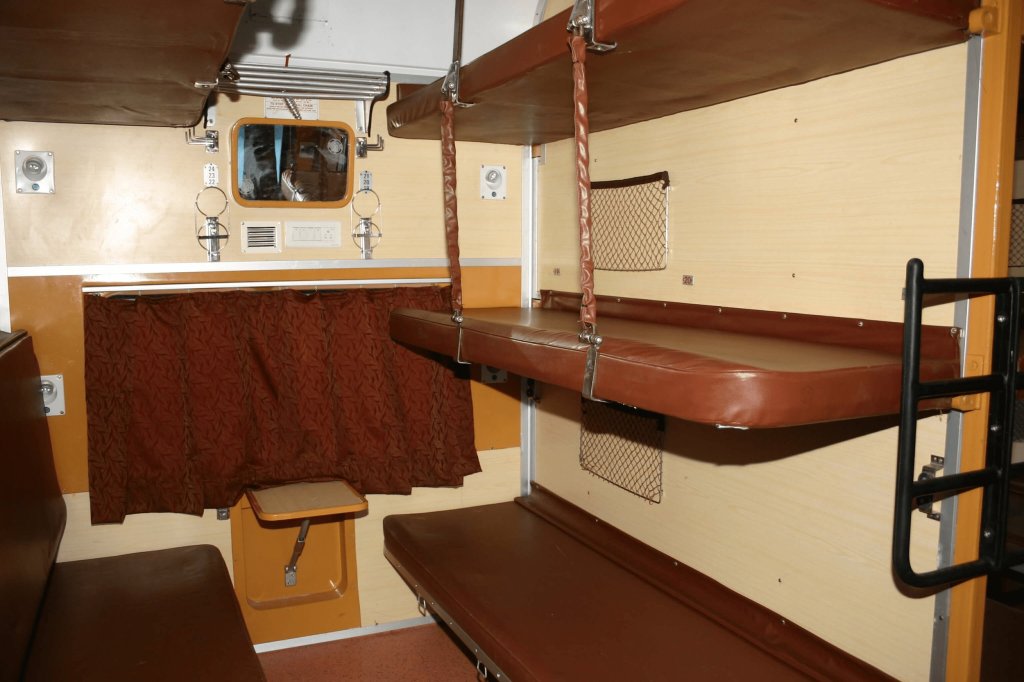
First Class AC (1AC): The most exclusive and expensive option. These are fully air-conditioned, private cabins with locking doors that typically house four berths (or sometimes two). Because most trains only carry a very limited number of these cabins, they sell out quickly.
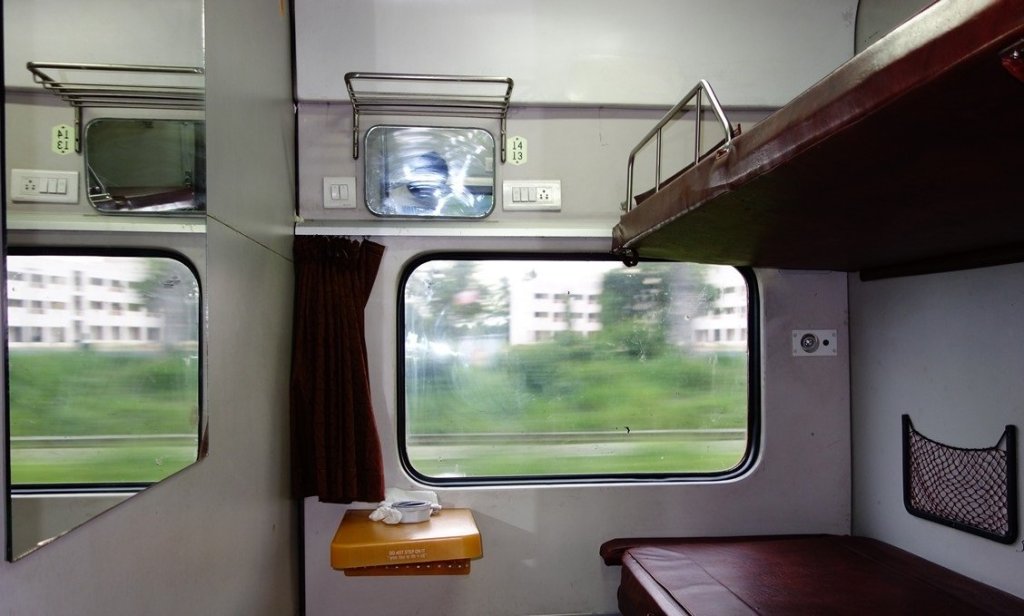
AC Two-Tier (2AC): A fantastic balance of comfort and cost. These fully air-conditioned coaches feature a spacious two-tier arrangement (upper and lower berths) on both sides of the aisle, usually with privacy curtains.
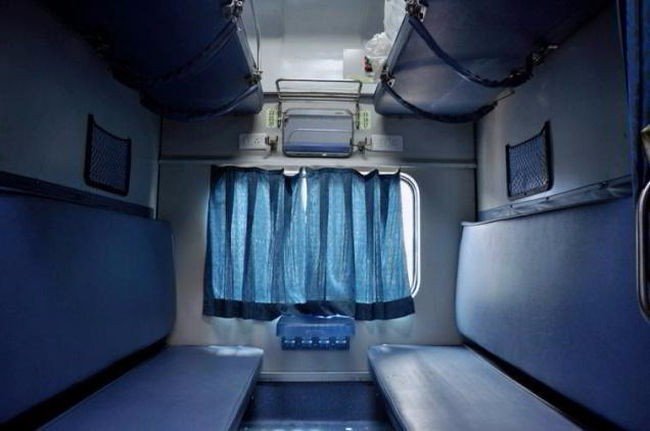
AC Three-Tier (3AC): The most popular choice for budget-conscious travelers who still want air conditioning. These coaches fit three berths on one side (lower, middle, upper) and two on the side aisle.
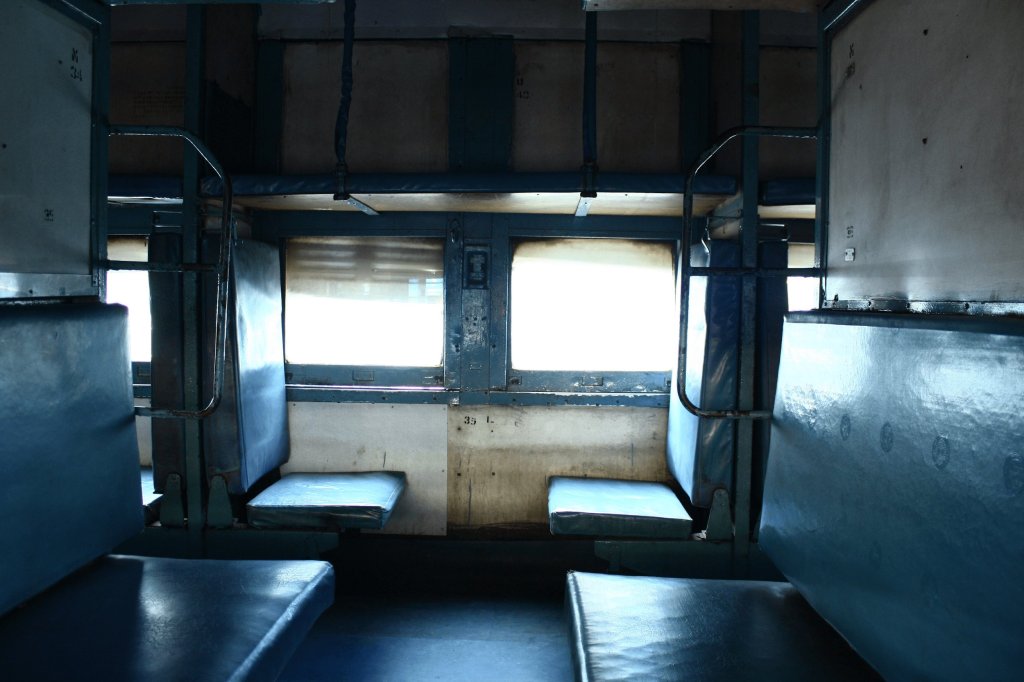
Sleeper Class (SL): This offers the exact same 3-tier layout as 3AC, but without the air conditioning. The seats are a bit more basic, but it offers a highly affordable, classic transit experience.
Unreserved / General Class: Usually located at the very ends of the train, these coaches offer basic, unassigned seating. They are the cheapest tickets available, designed for last-minute passengers traveling without a reserved spot.
While you might be used to constant connectivity, onboard Wi-Fi is rarely a standard feature on Indian passenger trains. Even on the modernized routes where it is technically offered, the signal frequently drops as you weave through rural landscapes. Because consistent internet can be difficult to maintain across such vast distances, a wonderful train culture has naturally emerged. Instead of silently scrolling on their phones, passengers turn to classic, communal ways to pass the hours—from sharing home-cooked snacks and playing lively games of cards to striking up fascinating conversations with their cabin mates.
One of the most unique aspects of riding the Indian Railways is how you eat. Historically, long-haul trains featured iconic ‘pantry cars’—literal kitchens on wheels that cooked up fresh, limited menus for the entire train. While many travelers still prefer to pack their own meals or grab takeout from local restaurants before boarding (a flawless strategy for shorter trips!), multi-day journeys require leaning on the railway’s services. Today, those classic pantry cars mostly focus on brewing endless cups of chai and coffee, while the actual meals are handled by contracted caterers, functioning much like airline food. Excitingly, the system is also modernizing: an ambitious, app-based e-catering service is currently being tested to let you order fresh meals from restaurants along the route directly to your seat, though the system is still working out its practical kinks.
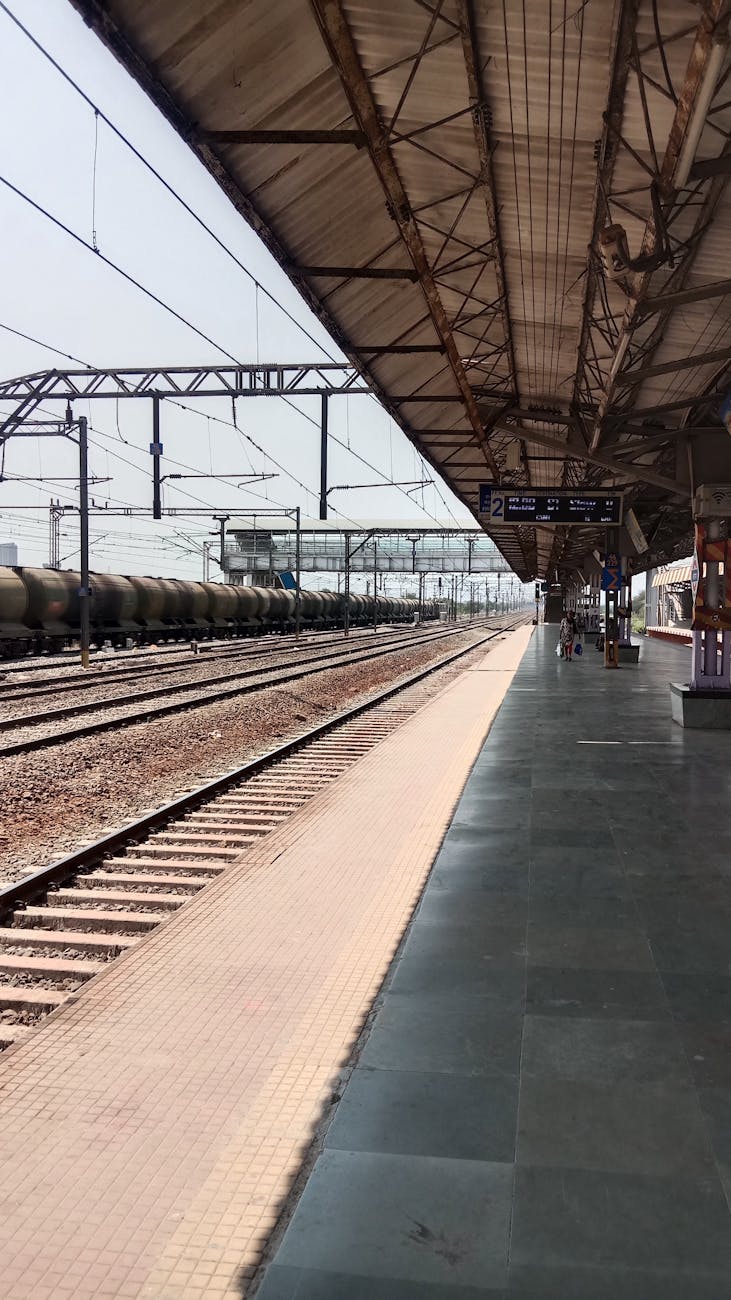
Stepping onto an Indian train platform is a study in beautiful, chaotic contrast. While major hubs and state capitals are undergoing massive, modern renovations, countless stations across the country still echo the architectural hallmarks of the British Raj era. Updating a network of this staggering size is a massive logistical hurdle, meaning you will encounter everything from sleek city terminals to incredibly basic, rural platforms with minimal service. It is also important to pack your patience: overcrowding is a universal challenge here, especially if you are traveling during major local holidays. Ultimately, while the railway is making impressive strides toward modernization, the reality on the ground can sometimes test the expectations of first-time visitors.
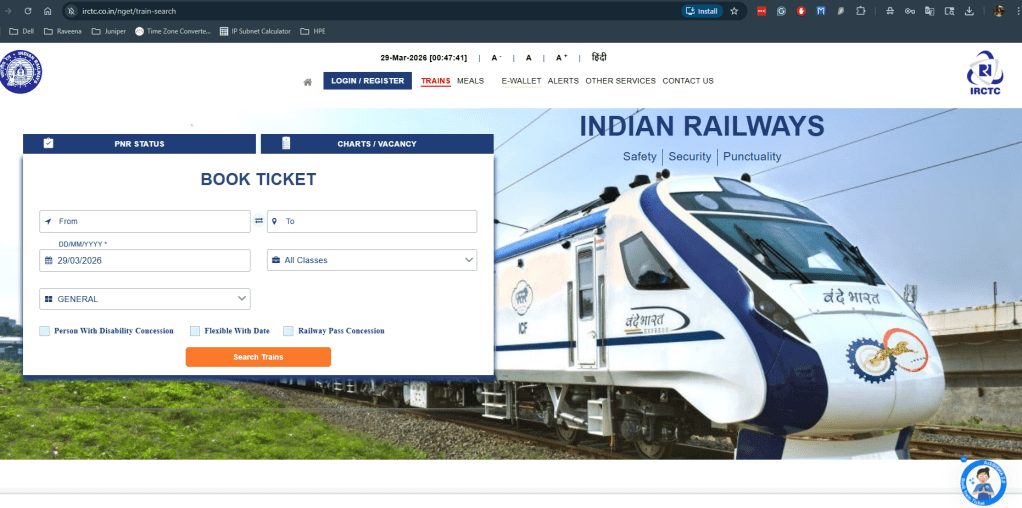
Now that you understand the different train types and cabin classes, it is time to secure your seat. While you will still see traditional ticket windows at major stations, they are now almost exclusively used for local commuter trains and subways. Today, long-haul ticketing happens entirely online through the official IRCTC portal (irctc.co.in). Recently revamped, this website has evolved into a massive, one-stop travel hub. Beyond train tickets, you can now use it to book domestic flights, buses, hotels, and even curated tour packages. For international travelers and NRIs, the platform offers a massive perk: a dedicated Foreign Tourist Quota that allows you to book up to 365 days in advance! [Generally, you can book train tickets only 60 days before your travel day.] The site seamlessly accepts international credit and debit cards—making it easy to process your payments directly in USD—though you should expect these dedicated foreign quota fares to be slightly higher than standard tickets.
The Indian Railways is far more than just a transit network; it is a profound testament to human connection. Evolving from its historic colonial roots into today’s sprawling, complex system, these tracks have literally paved the way for a nation’s transformation. Modernizing such a massive infrastructure certainly comes with its hurdles, but the sheer scale of the railway guarantees its place as India’s most vital artery. It does not just move millions of passengers and tons of cargo—it carries the daily pulse, energy, and vibrant aspirations of over a billion people.
 Asian Odyssey
Leave a comment