
There is an undeniable charm to the small shops that line the roadsides across India. Whether tucked away in the misty mountains of Kashmir or lining the coastal roads of Kanyakumari, these compact stalls are more than just places of commerce—they are community lifelines. A single, brightly painted storefront might hold a dizzying array of snacks, a steaming pot of morning chai, and the daily news of the entire neighborhood. To stop at one of these stalls isn’t just to make a purchase; it is an invitation to witness the daily rhythm of local life unfold.
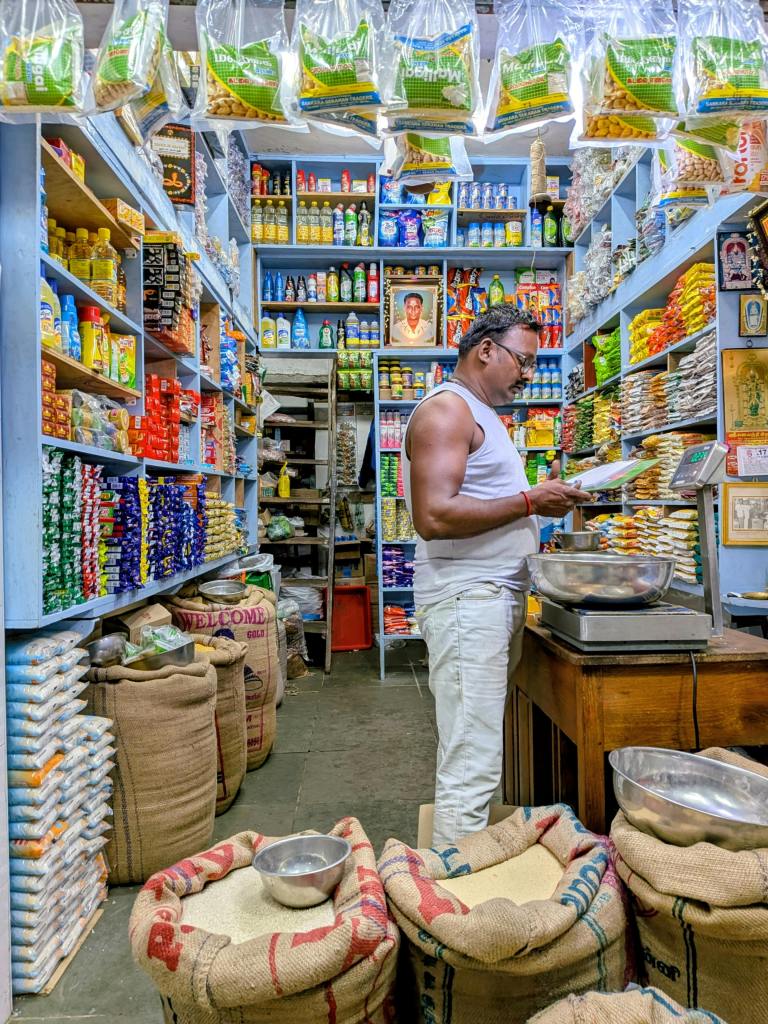
Growing up in India, I took these ubiquitous little stalls for granted—they were simply part of the background scenery. It wasn’t until I moved away and found myself navigating the massive, sprawling supermarkets of the West that I truly realized their magic. It is so easy to become accustomed to the convenience of getting everything under one giant, fluorescent-lit roof. Yet, across Asia, these vibrant, specialized micro-shops remain the undisputed heartbeat of the neighborhood, holding a place in the local economy that no big-box retailer could ever replace.
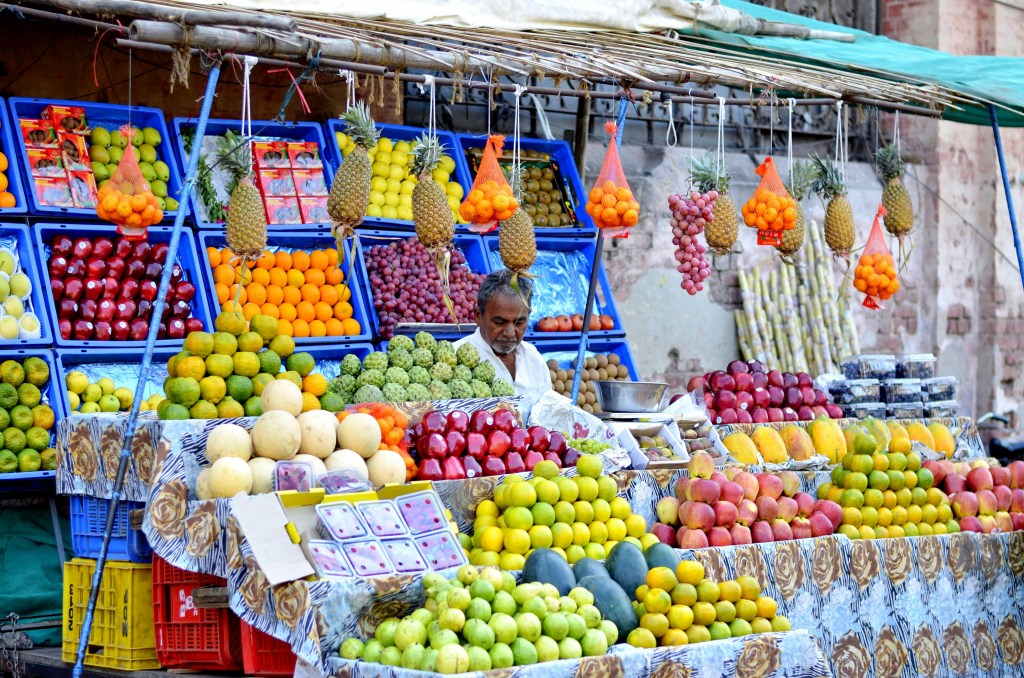
The ecosystem of Indian street commerce is incredibly diverse, with each vendor carving out a highly specific niche. The foundation is the local general store—the kirana—where you can pick up daily household essentials alongside bulk staples like rice, flour, and lentils. Step outside, and you will find vibrant street carts overflowing with fresh fruits and vegetables. The approach to butchery might surprise some visitors: rather than a single, all-encompassing meat counter, shops are strictly specialized. A vendor will exclusively sell chicken, while another entirely dedicates their stall to goat. (Because red meat, like beef and pork, is consumed by a smaller percentage of communities, it is much less common.) Seafood is often a direct-to-consumer affair, sold fresh by the fishermen themselves. And in a beautiful echo of the past, the traditional ‘milkman’ is still a fixture of daily life. While major brands like Amul offer convenient packaged options, many families still cherish the ritual of having fresh milk delivered to their door straight from the local dairy farm every morning.
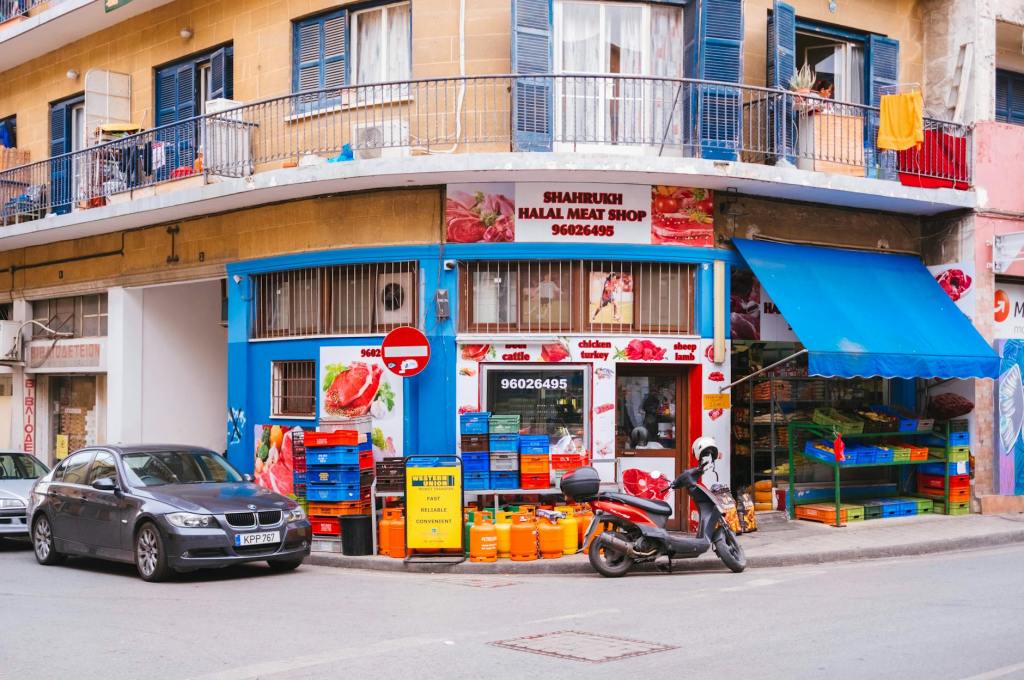
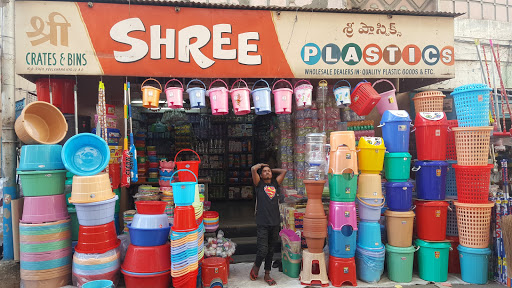
Beyond the vibrant food stalls, the streets are a patchwork of hyper-specialized shops dedicated to everyday household needs. You might wander past a brightly lit storefront selling nothing but intricate light fixtures, followed immediately by a shop stacked to the ceiling with colorful plastic goods. Even shopping for kitchenware is beautifully compartmentalized. One vendor might deal exclusively in gleaming, modern stainless steel and non-stick pans, while the shop right next door preserves tradition with heavy, golden brass utensils. Deeper into the city’s bustling ‘old market’ districts, you’ll discover the wholesalers. Traditionally, these massive suppliers cater directly to major retailers, but savvy locals know they also open their doors to everyday consumers, offering bulk goods at steep discounts for those willing to navigate the delightful chaos.
At the end of the day, these small shops are so much more than a place to run errands; they are the living, breathing archives of neighborhood life. Navigating this hyper-specialized world certainly takes a little more time than pushing a cart down a massive supermarket aisle, but the reward is a genuine connection to the people and the culture. There is a beautiful, chaotic rhythm to shopping this way—one that relies on conversation and generations of specialized knowledge rather than self-checkout machines. It is a reminder that sometimes, the heart of a city isn’t found in its grand monuments, but right there inside a ten-square-foot stall.
 Asian Odyssey
Leave a comment